
gold mirror sheets
Understanding Screw Type Ground Anchors Design, Applications, and Benefits Screw type ground anchors, often referred to as helical anchors, are innovative systems used for deep foundation support and soil stabilization. These anchors, characterized by their screw-like design, are installed into the ground using a rotational mechanism. Once embedded below the surface, they provide resistance against tension and shear forces, making them an essential component in various construction and engineering projects. Design and Installation The design of screw type anchors typically features one or more helical flights attached to a central shaft. The helical flight functions similarly to a screw, allowing for effective penetration into the soil. This design not only minimizes soil displacement but also facilitates higher pulling capacities compared to traditional anchors. Installation of screw type anchors is a relatively straightforward process. Specialized machinery, like hydraulic or motorized systems, rotates the anchor into the ground. As the anchor is driven deeper, soil is displaced along the helical flights, which promotes axial resistance when the anchor is subjected to load. This installation process can occur with minimal noise and vibration, making it suitable for urban environments where traditional methods might cause disturbance. Applications of Screw Type Ground Anchors Screw type ground anchors are versatile and find applications in various fields 1. Construction These anchors are widely used in construction projects for supporting temporary structures such as scaffolding and shoring systems. They provide reliable lateral support in excavations. 2. Telecommunication In telecommunications, screw anchors secure utility poles and cell tower foundations, ensuring they remain stable under extreme weather conditions. 3. Wind Turbines The renewable energy sector utilizes screw anchors to stabilize wind turbine bases, providing adequate support against the forces generated by the turbine operation. 4. Slope Stabilization In geotechnical engineering, screw anchors are employed in slope stabilization efforts, preventing landslides and erosion in hilly or unstable terrains. screw type ground anchors 5. Retaining Walls These anchors help reinforce retaining walls by providing additional load-bearing capacity, balancing the lateral earth pressures exerted on the structure. Advantages of Screw Type Ground Anchors Screw type ground anchors offer several benefits compared to traditional anchoring systems - Quick Installation The rapid installation process minimizes project timelines, allowing for quicker completion of construction activities. - Reduced Vibrations and Noise Unlike driven piles or other methods that create noise and vibrations, screw anchors can be installed with minimal impact on the surrounding environment. - Cost-Effectiveness With their efficient design and installation methods, screw anchors can reduce labor and machinery costs, making them a budget-friendly option for many applications. - High Load Capacity The helical design provides a significant load-bearing capacity, allowing them to be used effectively in various soil conditions and applications. - Recycle and Reusable Screw anchors can be extracted and reused if a project is dismantled, making them an environmentally friendly option for temporary structures. Conclusion Screw type ground anchors are a reliable and efficient solution for a range of engineering and construction challenges. Their unique design, ease of installation, and versatility make them a preferred choice for professionals in the field. As urban development continues to expand and the demand for reliable anchoring solutions grows, screw anchors are poised to play an increasingly vital role in future construction and geotechnical projects. Their ability to adapt to various conditions and requirements ensures that they will remain an integral component in modern civil engineering. The choice of using screw type ground anchors is not just about meeting structural demands; it's also about making sustainable and efficient choices that can benefit both current and future generations.
about
gold mirror sheets
The Significance of DN80 Gate Valves in Industrial Applications Gate valves are critical components in various industrial applications, serving as essential mechanisms for controlling the flow of liquids and gases within pipelines. Among the different sizes and types of gate valves, the DN80 gate valve holds particular significance due to its versatile capability and reliability in numerous settings. What is a DN80 Gate Valve? The designation DN80 refers to the nominal diameter of the valve, which measures 80 millimeters. This specification is part of a standardized system for measuring valve sizes, allowing for consistent communication and compatibility across different manufacturers and applications. Gate valves, including the DN80 variant, are characterized by their ability to provide a straight flow path, minimizing pressure drops and turbulence, which is vital for maintaining efficient operations in fluid management. Design and Functionality The design of a DN80 gate valve includes a wedge-shaped gate that moves vertically within the valve body. When the valve is fully opened, the gate is completely out of the flow path, allowing for minimal resistance to the fluid passing through. This design makes gate valves particularly suitable for applications where the flow needs to be either fully on or fully off, rather than throttled or regulated. Typically made from materials such as cast iron, stainless steel, or brass, DN80 gate valves are chosen based on the specific requirements of the application, including pressure rating, temperature tolerance, and the chemical nature of the fluid being controlled. The sealing surfaces of the gate are often coated with resilient materials to improve durability and longevity while minimizing the risk of leakage. Applications of DN80 Gate Valves DN80 gate valves are widely used across various sectors, including gate valve dn80 1. Water Supply and Wastewater Treatment In municipal water systems, DN80 gate valves control the flow of water in distribution networks. Their ability to provide a tight seal and prevent backflow is crucial in maintaining water quality and supply. 2. Oil and Gas In the oil and gas industry, DN80 gate valves are employed in pipelines and processing facilities to isolate sections for maintenance. Their robust construction is suitable for handling high-pressure and corrosive substances, making them indispensable in this sector. 3. Chemical Processing Given their ability to handle aggressive chemicals, DN80 gate valves find applications in plants where large volumes of chemical reactions occur. Their reliable sealing capabilities help prevent leaks and ensure safety in potentially hazardous environments. 4. HVAC Systems In heating, ventilation, and air conditioning (HVAC) systems, DN80 gate valves are utilized to control the flow of air and fluids. Their durable design and reliable performance make them suitable for both residential and industrial HVAC applications. Benefits of Using DN80 Gate Valves One major advantage of DN80 gate valves is their longevity and low maintenance requirements. When properly installed and maintained, these valves can operate effectively for many years, which reduces the need for replacements and repairs. Furthermore, their simple design allows for easy operation, even in challenging environments. Additionally, DN80 gate valves can be equipped with various actuation options, including manual handles, electric actuators, or pneumatic systems, providing users with flexibility in operation according to their setup's needs. Conclusion In conclusion, the DN80 gate valve is a fundamental element in many industrial settings, offering reliable flow control for liquids and gases. Its robust design, versatility across applications, and ease of maintenance make it a preferred choice among engineers and industry professionals. The importance of investing in high-quality DN80 gate valves cannot be overstated, as they contribute significantly to the efficiency and safety of various processes. Whether in water treatment, oil and gas, chemical processing, or HVAC systems, DN80 gate valves continue to play a crucial role in supporting infrastructure and operational excellence across industries.
-

High quality industrial productsagement

High quality industrial products
View Details -

Meet the diverse needs of customers

Meet the diverse needs of customers
View Details -

Strict quality control

Strict quality control
View Details -

Top raw materials

Top raw materials
View Details -

Trusted supplier

Trusted supplier
View Details
Our application

news and information
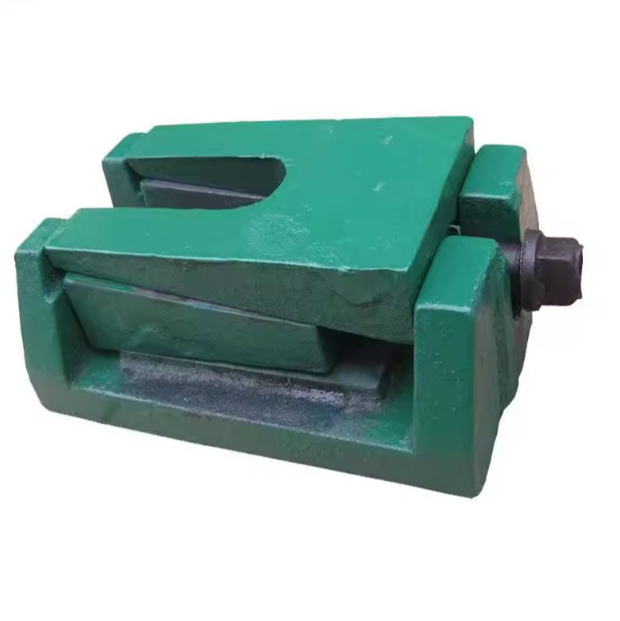
Versatile Clamps for 16mm Welding Tables to Enhance Your Metalworking Projects
Understanding 16mm Welding Table Clamps A Comprehensive Guide Welding is a fundamental process in me
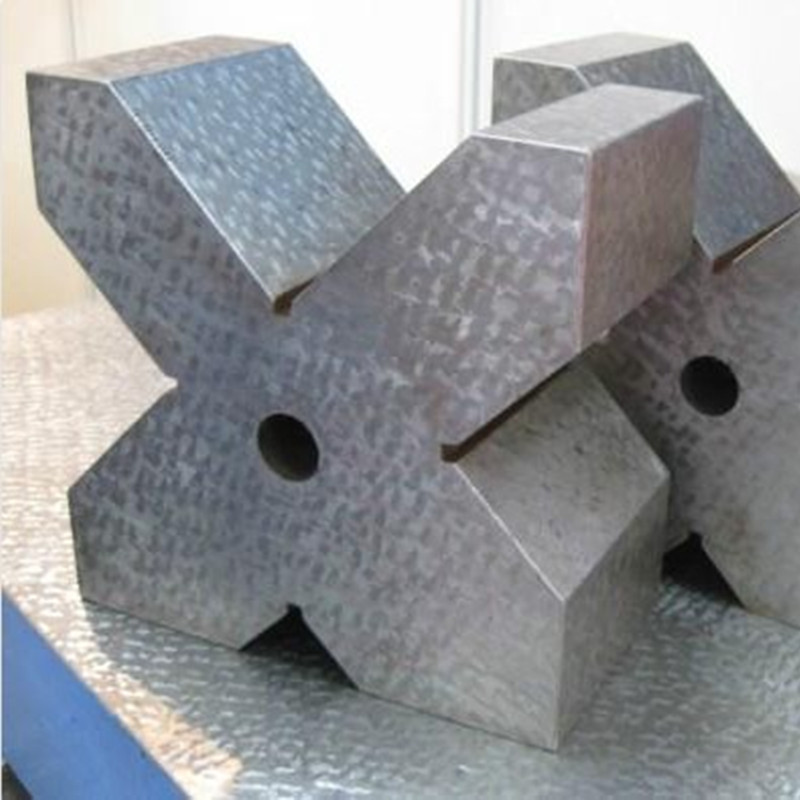
Y Type Strainer with Integrated Drain Valve for Efficient Fluid Management
Understanding Y-Type Strainers with Drain Valves In various industrial applications, ensuring the in
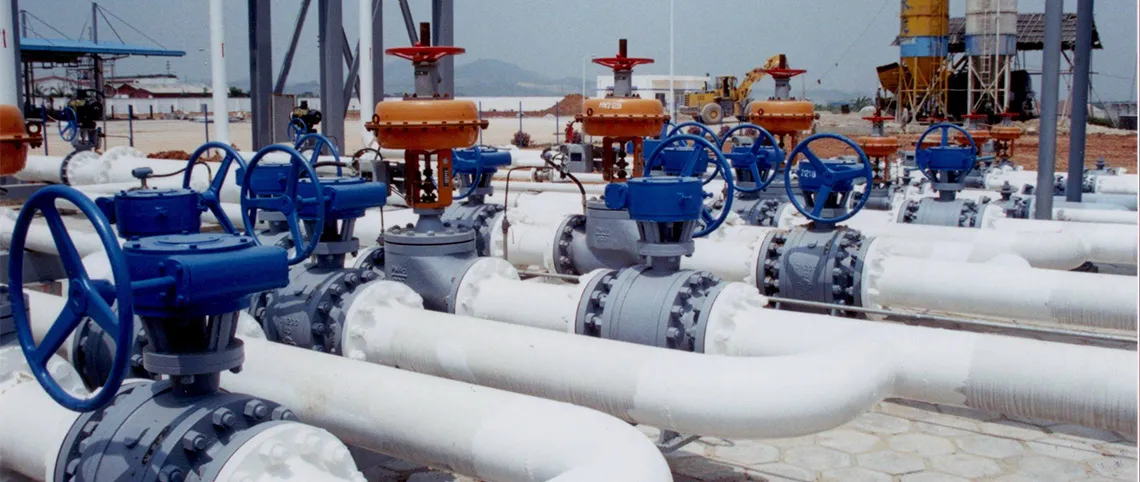
Válvula de esfera de 15 mm para aplicações industriais e residenciais
Válvula Globo de 15 mm Uma Solução Eficiente para o Controle de Fluxo As válvulas globos são compone
 English